
Water Key to Upcoming Waterfowl Seasons in South

duck

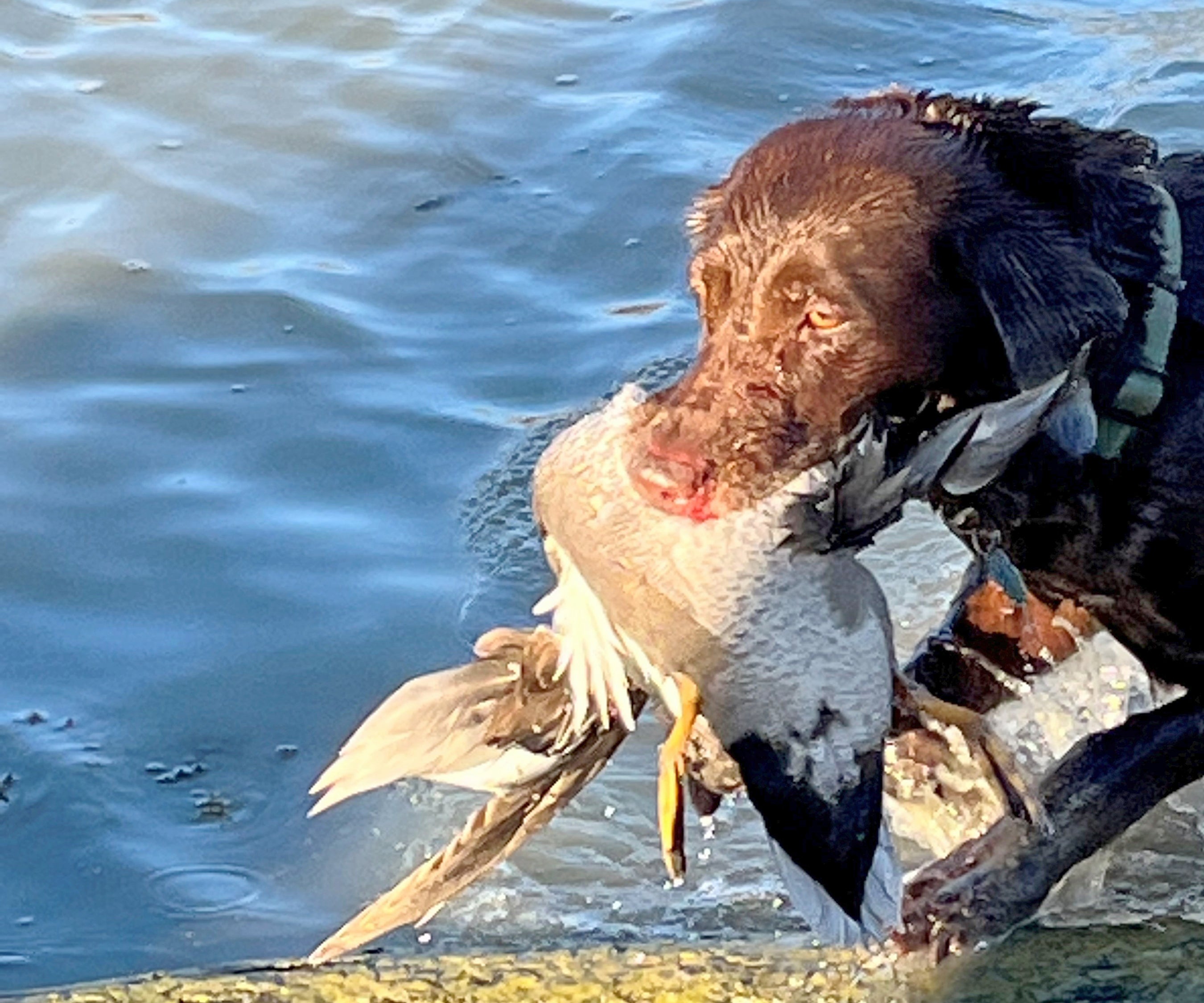
Those with significant water on their hunting areas will likely have the most successful waterfowl season. Photo by David Rainer

By DAVID RAINER, Alabama Department of Conservation and Natural Resources

One thing is likely this waterfowl season; if you have a decent amount of water on your property or hunting area, you’ll likely see ducks.

It’s been bone dry in the lower Central and Mississippi Flyways, especially in Arkansas. If those hunters don’t have the ability to pump water, the ducks will likely keep on flying until they find water.

However, that is good for places that haven’t seen many ducks lately. The Mobile-Tensaw Delta could see an influx of waterfowl, as could the Tennessee River lakes and Tennessee-Tombigbee Waterway.

Cole Howard, Migratory Game Bird Coordinator with the Alabama Department of Conservation and Natural Resources’ (ADCNR) Wildlife and Freshwater Fisheries (WFF) Division, said the drought forecast shows western Alabama is significantly drier this year.

“That could have localized impacts on wood ducks with water availability,” Howard said. “It could have an effect on wood duck production this summer. That being said, we had a really good year banding wood ducks. I did my master’s work on wood ducks, and they’re doing really well. Wood ducks are our highest harvested species in Alabama by far. If you look at our harvest data, we are in a very good place in terms of not overharvesting wood ducks.

“We have an extensive breeding population here, and we get migratory wood ducks that breed in northern states and come to Alabama in the winter. Potentially, the drought could have some effect on locally raised wood ducks this year in places that normally have water that don’t this year. But, we had a really good banding season. We banded 1,038 wood ducks this year. Anytime you crack more than a thousand, it is an indication that our wood ducks are doing really well.”

The U.S. Fish and Wildlife Service’s latest waterfowl survey is a mixed bag once again, but the bellwether species, mallard, remains on a downward trend. Mallards are down 11% from the last survey and down 26% from the long-term average.

“There’s a lot to unpack in the survey, and the mallard numbers are not the most encouraging,” Howard said. “That being said, there’s a lot of variation in these surveys. It’s better to look at the long-term trends. Yes, duck numbers are trending downward in the last decade or so. At the same time, it’s kind of the cyclical nature of these species and the breeding grounds.”

Howard said dry periods are necessary to maintain the integrity of the habitat.

“A lot of this has to do with how much water is on the landscape in the prairies,” he said. “We’ve been in a dry cycle for a while now in the prairie region. In the temporary, that is not great for waterfowl this specific year, but that is also a necessary process for maintaining a lot of those prairie potholes. They need to dry out from time to time to maintain the proper vegetation communities.

“Specifically, this year, it does appear some of the prairie regions got decent water after the survey was done. That could have some positive impacts and could be a better outlook than what these numbers are showing.”

wood

The wood duck population remains steady despite dry conditions this year. Photo by Billy Pope

As with any wildlife trends, the mallard population’s decline likely has many factors involved.

“I think part of it is a lot of landscape changes,” Howard said. “Think about how much urbanization has gone on, and just how the agricultural practices have changed in the breeding grounds. Plus, the prairies have been dry now for a decent amount of time. There are so many things we could point to, so we can’t say it’s this one thing.

“But it all comes down to what do we do about it. Are we improving our landscape management? Are we putting our conservation dollars into the breeding grounds and looking at a more holistic picture?”

One bright spot in the most recent survey is the increasing numbers of gadwalls (gray ducks) in the survey.

“We are increasingly getting more gadwall overwintering in Alabama, especially on the Tennessee River and Mobile Bay,” Howard said. “Gadwall mainly eat submerged aquatic vegetation (SAV). Historically, Guntersville has a lot of SAVs and is a popular wintering spot for gadwall and other dabbling species. It’s the same thing with the bay with plenty of SAVs. That’s always a positive.”

Other species above the long-term average are northern shoveler, green-winged teal, canvasback, American wigeon and redheads.

“I can’t tell you why those species seem to show up better on our surveys and why we are showing increases,” Howard said. “A lot of those dabbling species use the same resources, so it’s really hard to point to why among similar species some are doing better than others. It largely depends on breeding habitat.”

Howard and other WFF staff journeyed to the Dakotas this summer to participate in a banding operation, and it gave him hope about the northern pintail, which is well below its long-term average.

“We caught a lot of pintails,” he said. “That was encouraging to see.”

In terms of seasons and bag limits, the framework is set for this season and next with a bag limit of 6 ducks per day, which may include no more than 4 mallards (no more than 2 of which can be female), 3 wood ducks, 1 mottled duck, 2 black ducks, 2 redhead, 3 pintail, 2 canvasback and 1 scaup.

The duck, coot and merganser season is split with the first segment set November 27-28 and the second December 5 through January 31, 2027. The season dates are the same for the geese species. The aggregate limit on dark geese (Canada, white-fronted, Brant) and light geese (snow, blue and Ross’s) is 5 per day. Visit www.outdooralabama.com/seasons-and-bag-limits/waterfowl-season for more details.

As usual, weather has a huge impact on Alabama’s waterfowl season with the need of cold weather and snow to the north to push the waterfowl south.

“The big thing this year is what’s happening with this El Nin͂o and how that affects the ducks,” Howard said. “These birds migrate across the continent. They are very good at reacting to changes on the landscape. If there is new water, they’re going to find it.

“All in all, I still think it will be a pretty good year.”

### 

band

Wildlife and Freshwater Fisheries staff banded more than 1,000 wood ducks this year. WFF Photo

Written by

David Rainer
Outdoor Writer
Back To News